
The Ultimate Homeowner Guide
Your home is likely your most significant financial investment. To keep your property in great shape, you must pay close attention to the systems that shield it from the elements with the occasional roof inspection. The roof stands as your first line of defense against heavy weather, but because it sits high out of sight, it is easy to ignore until a wet spot appears on your ceiling.
Data from recent homeowner search trends shows that people want to understand the practical details of a professional assessment. Homeowners frequently look up what happens during the process, how much it costs, and how to handle damage after a major storm. This comprehensive guide breaks down everything you need to know in clear, everyday language.
What Is Included in a Residential Roof Inspection?
A professional assessment is a thorough health checkup for the entire top structure of your house. It goes far beyond simply glancing up from the driveway with a pair of binoculars. A true residential roof inspection involves a physical examination of your surface materials, the underlying wooden support structure, and your home’s drainage paths.
When a qualified contractor reviews your roof, they follow a systematic process to ensure they catch issues early. They focus on identifying hidden vulnerabilities before minor wear and tear transforms into an expensive emergency.
Checking Shingle and Surface Material Health
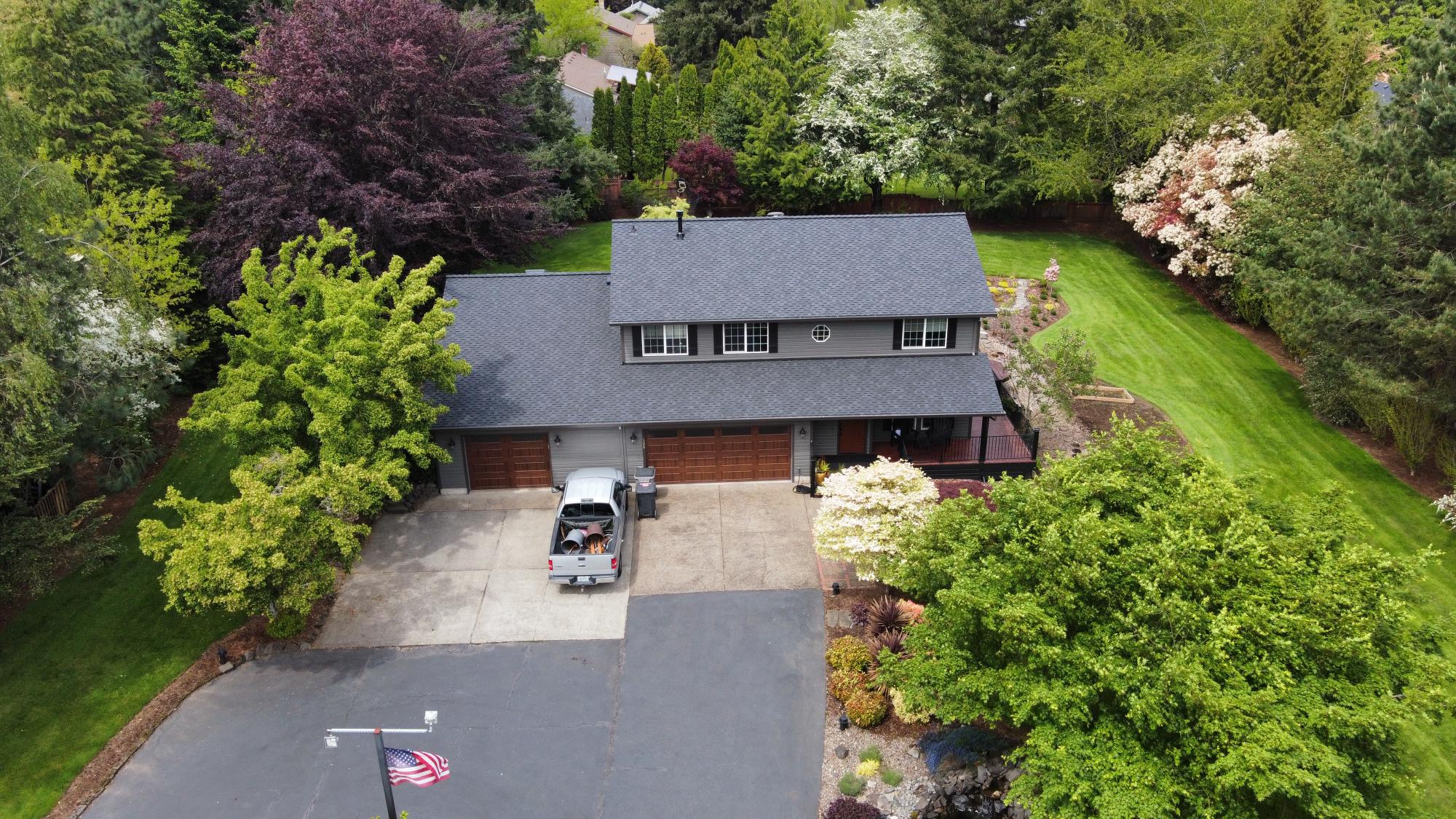 The inspector begins by looking closely at the actual roofing material. For a standard shingle roof inspection, they examine individual shingles to see if they are cracked, loose, or curling at the edges. They look for heavy granule loss, which leaves the underlying asphalt exposed to harsh sun and rain. If you have a metal or tile system, they check for loose fasteners, shifting panels, or cracked clay tiles that could let water slip underneath.
Examining Flashing, Seals, and Valleys
Flashing consists of the protective metal pieces installed around the joints and angles of your roof. You will find it in your roof valleys, around your chimney, and surrounding ventilation pipes. These spots are the most common areas for a leak to develop. The inspector will make sure the metal is not rusted or lifting away from the surface, and they will check the rubber boots around your plumbing pipes to ensure they are not cracked.
How Do Professionals Spot Storm, Wind, and Hail Damage?
Weather events can cause sudden, severe problems for your home. Scheduling a post-storm roof inspection is the safest way to find out if recent weather has compromised your shingles. Wind and hail leave very distinct footprints that require a trained eye to diagnose accurately.
Identifying Hail Impact Marks
Hailstones can destroy a roof section in just a few minutes. During a hail damage roof inspection, a professional looks for small, dark dimples in the shingles. These impacts bruise the underlying mat and knock away the protective granules. If left unaddressed, these bruised spots quickly split open, leading to hidden leaks during the next heavy rainfall.
Recognizing Wind Lifting and Creasing
High winds do not always rip shingles completely off the roof. Often, strong gusts lift the edges of the shingles just enough to break the manufacturer’s sticky sealant strip. Once the seal breaks, the shingle flaps up and down in the wind, creating a crease across the top of the tab. A proper wind damage roof inspection guide focuses on finding these loose, unsealed shingles that look normal from the ground but no longer keep water out.
How to Navigate a Roof Inspection for Insurance Claims
Filing a claim with your insurance company can feel stressful and confusing. Many homeowners are unsure who to call first or how to prove that the weather caused their roof leak. Understanding how an insurance roof inspection works helps you navigate the process with total confidence.
Getting an Independent Inspection First
 Before you call your insurance provider, it is smart to have an independent roofing contractor perform a thorough roof repair inspection. The contractor will document all physical damage with clear, close-up photographs and provide a detailed written summary. Having this evidence ready makes it much easier to file your paperwork accurately.
Working with the Insurance Adjuster
Once you file a claim, the insurance company will send out its own adjuster to look at the property. You can share your contractor’s independent report directly with the adjuster. Having a detailed record ensures that minor details, like damaged flashing or dented vents, do not get overlooked during the official review. This collaborative approach helps ensure you receive fair coverage for the necessary repairs.
What Happens During a Drone Roof Inspection?
Technology has changed how modern contractors view and analyze homes. While walking the shingles remains a standard practice, utilizing a drone roof inspection offers unique advantages for specific types of properties.
The Benefits of Aerial Roof Imagery
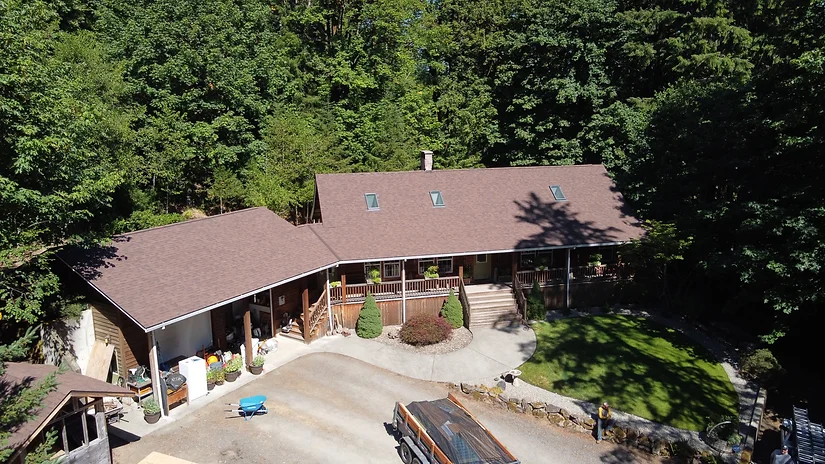 High-resolution drones allow contractors to capture clear images of hard-to-reach areas without setting foot on a fragile surface. This is especially useful for steep pitches, multi-story homes, or delicate tile roofs that can crack under a worker’s boots. An aerial roof inspection provides a complete visual map of your roof system, tracking granule loss and broken seals from a safe distance.
When Drone Inspections Are Recommended
Drones are excellent for initial consultations and for mapping out large, complex rooflines quickly. They collect precise data that can be fed into software to create perfect measurements for repair estimates. However, a drone cannot feel for soft spots in the plywood underneath. A combination of advanced aerial technology and hands-on physical inspection usually provides the most accurate picture of your roof’s condition.
Understanding Roof Inspection Cost and Timelines
When looking over common homeowner questions, the total price and time commitment are always major concerns. People want to know how to budget for this service and how much of their afternoon they need to clear out for the visit.
How Much Does an Inspection Cost?
The overall cost of a roof inspection depends entirely on the purpose of the report. If you are a regular homeowner looking for a routine maintenance checkup before winter, many local residential companies offer a free roof inspection to help you keep your house in great shape.
If you are buying or selling a home and need an official, stamped document for a mortgage company, you will pay a flat roof inspection price. This official certification requires in-depth paperwork and formal structural measurements, typically ranging from a few hundred dollars.
How Long Does the Visit Take?
For a standard single-family residential home, a professional checkup takes between 45 minutes and two hours. A simple ranch-style home with a straightforward roofline can be reviewed quickly. A large home with multiple stories, steep pitches, and complex valleys requires more time to assess safely. The inspector will take their time to ensure they review every potential problem area thoroughly.
The Essential Homeowner Roof Inspection Checklist
While you should leave the high climbing to trained professionals, you can still monitor your home’s health from the safety of the ground. Keeping a simple roof maintenance inspection checklist helps you spot early warning signs before they transform into costly indoor leaks.
- Check the ground: Walk around your yard after a heavy storm to look for loose shingle pieces or metal flashing on the grass.
- Look at the downspouts: Check the end of your gutters for large piles of dark ceramic granules, which indicate your shingles are wearing thin.
- Inspect the attic: Take a flashlight into your attic during a heavy rainstorm to check the raw wooden boards for dampness, dark water stains, or dripping water.
- Scan the roofline: Look up from across the street to see if any shingles are noticeably missing, lifting, or covered in heavy green moss.

Roof Inspection Frequently Asked Questions
Can a roof inspection help me determine if I need a repair or a full replacement?
Yes, a professional checkup will define the exact condition of your roof system. If the damage is limited to a small area, like a single leaking valley, a localized repair is all you need. If the shingles are old, brittle, and losing granules across the entire house, a full replacement is the safest choice.
Is a free residential roof inspection actually comprehensive?
A reputable local contractor uses a free assessment to identify real problems and earn your trust. It covers all the core visual elements, including shingle health, flashing seals, and gutter function. They will give you an honest look at your roof condition without charging an upfront fee.
What is a roof condition inspection for a real estate transaction?
This is a specialized service requested during a home sale. A certified inspector reviews the roof to verify its current age and structural soundness. The resulting report tells the buyer and the bank if the roof will last for the foreseeable future or if it needs immediate structural work.
How does hail damage affect a metal roof compared to asphalt shingles?
Hail dents metal roofs but rarely causes an immediate leak unless a seam splits open. On asphalt shingles, hail knocks away the protective granules and bruises the internal fiberglass mat. This makes shingle roofs much more vulnerable to water penetration after a storm.
Why do I need a roof inspection after a new roof installation?
A post-installation review ensures that the project matches the highest standards of workmanship. It verifies that the ventilation systems are clear, the flashing is fastened tightly, and the shingles are nailed down correctly, protecting your long-term manufacturer warranty.
How do professionals perform a flat roof inspection?
Flat roofs do not use standard shingles, so inspectors focus on the rubber membrane, the welded seams, and the drainage scuppers. They look for ponding water, blisters in the material, or cracks in the seals around the perimeter walls where water could creep inside.
Can a camera pole be used for a roof inspection instead of a ladder?
Yes, inspectors sometimes use an extended camera pole to view one-story homes or low-hanging eaves quickly from the ground. It is a helpful tool for a fast visual check, but it does not replace the depth of a physical walk or a drone scan on a complex, multi-story structure.
Let’s Work Together to Keep Your Roof Secure
Managing your home’s maintenance should always be a smooth, stress-free experience. If you want a clear picture of your roof’s current health without any stressful sales tactics, the team at Spruce Up Northwest is here to support you. We dedicate ourselves to providing top-notch service and utilizing high-quality materials on every single property we visit.
Our roofers are true partners in our business, which means they are fully invested in delivering five-star work on every project. We focus on real homeowner concerns, providing transparent communication and reliable craftsmanship from our initial chat to the final walk-through. Get in touch with Spruce Up Northwest today to discuss your home and schedule a roof inspection with our team.