
Moss Removal Services
Protect Your Roof. Preserve Your Home.
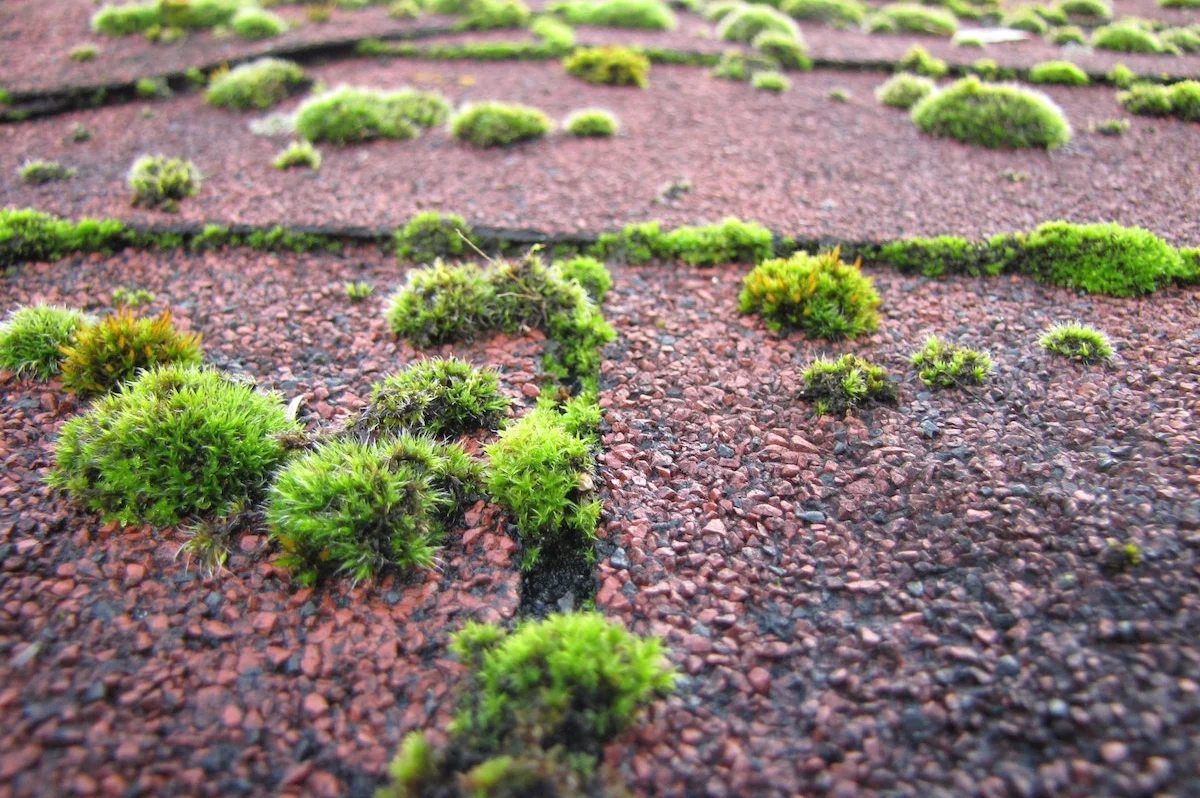
In the damp Pacific Northwest, moss thrives. While its soft green hue adds charm to our forests, it doesn’t belong on your roof. Moss buildup traps moisture, lifts shingles, and silently shortens the life of your roofing system. Spruce Up NW provides professional Portland moss removal services designed to restore the health and appearance of your roof, keeping it clean, strong, and ready for the next rainy season.
Eco-Conscious, Quality-Assured, Budget-Friendly Roofing.
View Services
Why Moss Grows on Portland Roofs
Our cool, wet climate creates perfect conditions for moss to take hold. Shade from trees, accumulated debris, and lingering moisture all encourage moss spores to spread. Even well-maintained roofs can begin showing patches of green after a few damp winters.
Once moss starts growing, it can quickly expand across your shingles or tiles. Without timely roof moss treatment, it embeds itself deep within the roof surface, making removal more difficult and costly later. That’s why moss control isn’t just about appearance, it’s essential preventive roof care.
Is Moss Really Harmful to My Roof?
Yes. Moss may look harmless, but it can cause a chain reaction of damage when left unchecked.
- Traps and Holds Water: Moss absorbs and retains water, keeping your roof constantly damp. Over time, this can lead to leaks and rot.
- Lifts and Loosens Shingles: As moss grows, it wedges under shingles, causing them to lift or crack. This weakens your roof’s protective barrier.
- Accelerates Wear and Tear: The trapped moisture and shifting shingles reduce your roof’s lifespan and increase repair costs.
- Clogs Gutters: Moss debris often ends up in your gutters, blocking water flow and causing overflow that can damage fascia boards or foundations.
- Harbors Pests: Moist, shaded moss can attract insects and nesting debris, adding another layer of maintenance concerns.
Addressing moss early prevents these issues and helps your roof last longer while maintaining your home’s curb appeal.
The Spruce Up NW Moss Removal Process
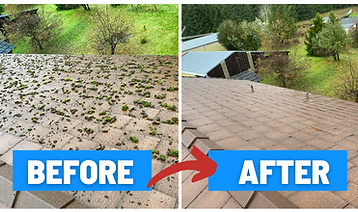
Our team uses safe, proven techniques to remove moss without harming your shingles or landscaping. We never use harsh chemicals or high-pressure washing that could strip away protective granules.
Here’s what to expect:
- Thorough Roof Inspection: Every project begins with a full assessment of your roof’s condition. We identify the type and extent of moss growth to determine the safest removal method.
- Gentle Moss Removal: We manually brush or sweep away moss using soft tools that protect your roofing material.
- Surface Cleaning: After moss removal, we clear gutters and rinse away residual debris for a clean, finished surface.
- Optional Moss Treatment: If requested, we apply an eco-friendly treatment to discourage regrowth and protect against future moss buildup.
- Final Inspection: Before we leave, we ensure every area of your roof is clean, intact, and draining properly.
Each step is performed by experienced roofers who treat your home with the same care they would their own.

How Often Should You Have Moss Removed?
In Portland’s rainy climate, we recommend scheduling professional moss removal every 12–24 months, depending on your roof’s exposure to shade and debris. Regular inspections, especially after winter storms, help catch small patches before they become large colonies.
If you notice visible moss or streaking, it’s time to call in the professionals. Routine maintenance ensures your roof stays in top shape without the need for costly repairs later.
Preventing Moss from Returning
Moss prevention starts with good roof hygiene. Homeowners can play a key role in keeping growth away between professional cleanings:
- Trim overhanging branches to let in sunlight and reduce moisture.
- Keep gutters clear to prevent standing water.
- Remove leaves, needles, and other debris from your roof after major storms.
- Schedule routine roof cleanings every 1-2 years, especially if you live under heavy tree cover.
For best results, Spruce Up NW can design a custom maintenance schedule tailored to your home’s exposure, roof type, and age to ensure your roof stays moss-free all year long.
Trust us for roofing, from routine to emergencies.
Contact Us
Why Homeowners Trust Spruce Up NW
At Spruce Up NW, roofing is more than just a job, it’s a partnership. Our crews are invested in your satisfaction and the quality of their work. That pride shows in every roof we touch.
- Experience You Can See: Our team brings decades of combined roofing knowledge to every home we service.
- Safe, Eco-Friendly Methods: We use gentle tools and treatments that protect your shingles and the environment.
- Long-Term Care Focus: Our moss removal services go hand-in-hand with roof maintenance and protection, not quick fixes.
- Customer-First Service: From inspection to cleanup, we ensure a stress-free experience and clear communication throughout.
- Five-Star Results: Every project is completed to the same high standards that define our company’s reputation across Portland and the surrounding areas.
A healthy roof protects your investment, enhances curb appeal, and saves money in the long run. With Spruce Up NW, you can count on results that last.
Frequently Asked Questions About Moss Removal Services
Can I remove roof moss myself?
Light moss can sometimes be brushed away, but improper removal can damage shingles or void your roof’s warranty, not to mention the physical risks involved. It’s best to let professionals handle the job safely.
How long does professional moss removal take?
Most residential roofs can be cleaned within a few hours, depending on size and moss severity.
Do you use pressure washing for moss removal?
No. High-pressure washing can damage shingles. Spruce Up NW uses gentle, industry-approved methods that protect your roof.
Will moss come back after removal?
Eventually, yes, especially in shaded or damp areas. That’s why regular cleaning and preventive maintenance are key.
What’s the best season for moss removal in Portland?
Late Spring through early Fall is ideal, when the roof is dry and conditions allow for safe access and effective treatment.
