
A roof inspection is more than just a quick glance from the curb or a peek into the attic. Whether you’re buying a new home, recovering from a storm, or just staying ahead of maintenance, a professional roof inspection can reveal issues that save you thousands in future repairs.
But not all inspections are equal. Here’s what to look for when you hire roofing contractors for the job—and how to know you’re getting the level of detail your home deserves.
Why Roof Inspections Matter More Than You Think
Your roof isn’t just a cap on your home, it’s your first line of defense against weather, pests, and water damage. Even small, unnoticed issues like missing shingles or compromised flashing can lead to:
- Interior water leaks
- Mold growth
- Structural deterioration
- Higher utility bills due to lost insulation
A good roof inspection identifies potential problems before they get worse, giving you time to act and avoid expensive surprises.
What Does a Thorough Roof Inspection Include?
 A proper inspection should go beyond surface-level observations. Here’s what a roofing contractor should check—inside and out:
1. Roofing Materials & Surface Condition
- Cracked, curling, and other signs of damage like missing asphalt shingles
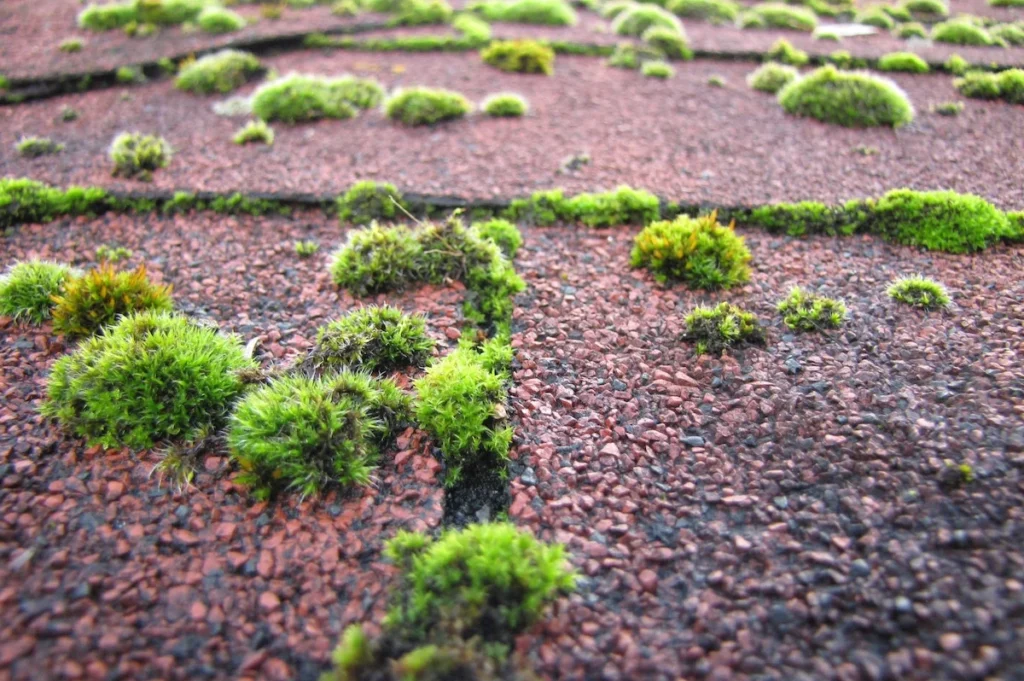
- Moss or algae growth (which can signal trapped moisture)
- Balding shingles where granules have worn off
- Nail pops or loose fasteners
Your inspector should check if materials are aging naturally or failing prematurely, especially after severe weather events.
2. Flashing and Penetrations
Flashing is the thin metal used around chimneys, skylights, vents, and valleys to seal edges. Your inspector should check for:
- Rust or corrosion
- Separation or gaps
- Signs of patch jobs or amateur repairs
Poor flashing is a leading cause of roof leaks—even on newer roofs.
3. Gutters and Drainage Systems
A good inspection includes checking that gutters and downspouts:
- Are securely fastened
- Are free of clogs and debris
- Direct water away from the foundation
Your roof can be in great shape, but if water isn’t draining properly, it can lead to water damage elsewhere.
4. Structural Integrity
The inspector should look for:
- Sagging roof lines
- Signs of shifting or uneven decking
- Weak spots around valleys or ridges
- Truss or rafter damage visible in the attic
These issues may not be visible from the exterior but can indicate larger structural concerns.
5. Interior Signs of Roof Damage
 A complete roof inspection includes a check of the attic and upper interior ceilings. Watch for:
- Staining or discoloration from water intrusion
- Damp insulation
- Rusty nails
- Light coming through the roof deck
- Musty odors, which can indicate mold or mildew
If your inspector doesn’t go inside, it’s not a full inspection.
What Sets a Professional Roof Inspection Apart?
Any roofing contractor can walk around your house. A professional roof inspection, however, includes:
- A written report with detailed findings
- Photo documentation of damaged or vulnerable areas
- An estimate of your roof’s remaining lifespan
- Recommendations for roof repair or maintenance options
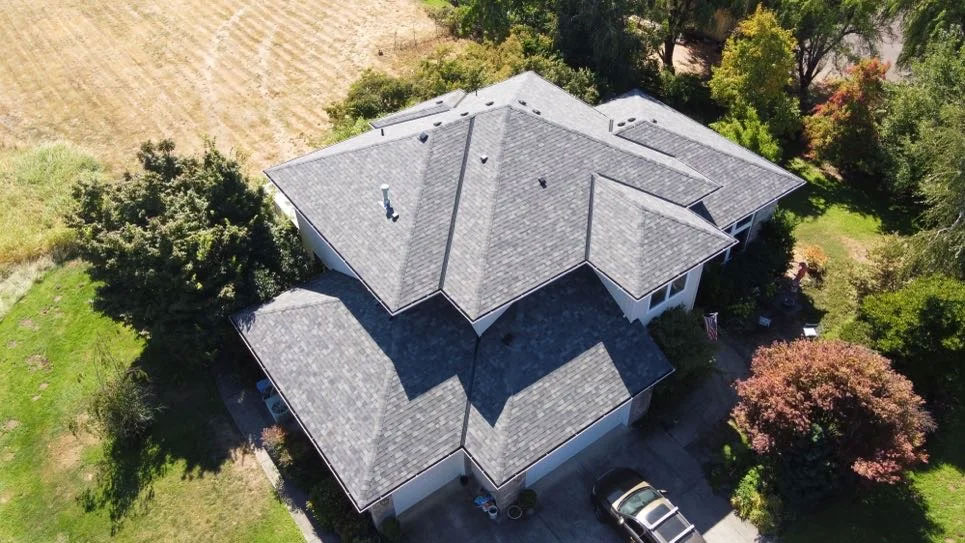
- Optional add-ons like thermal imaging or drone surveys (especially helpful for steep or high roofs)
Professionals also have the training to identify subtle red flags that might be missed during a general home inspection.
When Should You Schedule a Roof Inspection?
Many people wait until a leak appears—but preventative checks are far more cost-effective. Ideal times for a roof inspection include:
- Before buying or selling a home
- After severe weather events (hail, windstorms, heavy rain)
- Every 2–3 years for routine maintenance, or annually for older roofs
- Before warranty expiration, to ensure any repairs are covered
- Before adding solar panels or skylights
Signs of Roofing Problems to Watch For Between Inspections
Even if you’re not due for a formal inspection, here are signs it’s time to call a professional:
- Shingles in your yard after a storm
- Streaks or discoloration on your ceiling
- Increased energy bills without a clear reason
- Granules in your gutters or downspouts
- Persistent musty smells in upper floors or attic spaces
These are clues your roof may be developing problems—even if they’re not visible from the outside.
Do All Roofing Contractors Offer the Same Quality Inspection?
 No. Some contractors perform free “inspections” as a sales tactic, offering quick visual assessments that lead directly to repair estimates. While this may work for identifying obvious issues, a true professional roof inspection is objective, comprehensive, and educational.
Look for roofing contractors who:
- Are licensed and insured
- Provide detailed inspection reports
- Have strong local reputations and reviews
- Take time to explain findings and answer your questions
What Happens After the Inspection?
A trustworthy contractor will walk you through their findings and:
- Offer a repair or maintenance plan, if needed
- Estimate costs and prioritize issues
- Recommend replacement if the roof is past its prime
- Help you understand how to extend your roof’s lifespan
At Spruce Up NW, our goal isn’t to upsell, it’s to give you the facts, clearly and honestly, so you can make the best choice for your home.
FAQs About Roof Inspections
How long does a typical roof inspection take?
Most inspections take 45–90 minutes, depending on roof size and complexity. Add time if drones or interior checks are involved.
Do I need to be home for the roof inspection?
Not always, but it’s helpful if the inspector needs access to the attic or wants to review findings with you on-site.
Is a roof inspection the same as a home inspection?
No. A general home inspection only includes a basic overview of the roof. A dedicated roof inspection is more thorough and technical, especially regarding materials, flashing, and water damage.
Will I get a report after the inspection?
Yes. A professional roof inspection should come with a written report and photos of any issues, along with recommendations. At Spruce up NW, we offer a free roof inspection that is super detailed and includes a walkthrough of the findings with pictures. If you want it in a formal written report, we charge $500.
Can I inspect the roof myself?
You can do a basic visual check from the ground or attic, but most problems require professional tools and training to spot safely and accurately. Avoid climbing on the roof—it’s dangerous and easy to miss hidden damage.
Get a Roof Inspection You Can Trust
A good roof inspection isn’t about scare tactics or guesswork—it’s about understanding the real condition of your home’s most important defense system.
At Spruce Up Northwest, we offer honest, expert inspections backed by experience, licensed credentials, and a commitment to five-star work every time. Whether you’re prepping for winter, buying a new home, or just staying proactive, we’re here to help you get the facts, fast.
Schedule your professional roof inspection today — and rest easy under a roof you can count on.